

July 17, 2026 / Dental Implants
Missing several teeth can affect much more than the appearance of your smile. It may become more difficult to chew certain foods, speak clearly, or feel confident in social situations. If you're exploring long term tooth replacement options, you may be wondering whether dental implants can replace more than one missing tooth or if every missing tooth requires its own implant.
The answer depends on your individual situation. Dental implants may be used to support different types of restorations, including individual replacement teeth and implant supported bridges. The most appropriate option depends on several factors, including the number and location of missing teeth, your oral health, and your treatment goals.
If you're considering dental implants in Whitby, a personalized assessment can help determine which treatment options may be appropriate for your needs. Learning about the possibilities beforehand can make it easier to ask informed questions and better understand what may be discussed during your appointment.
If you're missing more than one tooth, it's often worthwhile to discuss your replacement options with a dentist before the gaps begin affecting your oral health. Missing teeth can make everyday activities like chewing and speaking more difficult, and over time they may also influence how the remaining teeth fit together.
Not everyone experiences tooth loss in the same way. Some people are missing two or three teeth beside one another, while others have gaps in different areas of the mouth. The location of those missing teeth plays an important role in determining which treatment options may be considered.
You may want to ask about dental implants if you:
During your assessment, your dentist will examine your teeth, gums, bite, and jawbone before recommending an approach. They may also discuss your dental history, current oral health, and what you hope to achieve through treatment. Rather than focusing only on replacing missing teeth, the goal is to understand your overall oral health and recommend options that suit your individual circumstances.
Exploring dental implants in Whitby before your appointment can also help you prepare questions and better understand how implants may fit into a personalized treatment plan.
Many people assume that replacing several missing teeth means placing one implant for every missing tooth. In reality, treatment planning is often more flexible than that.
Depending on the number and location of the missing teeth, dental implants may support several different types of restorations. Your dentist will recommend an option only after evaluating your oral health and discussing your treatment goals.
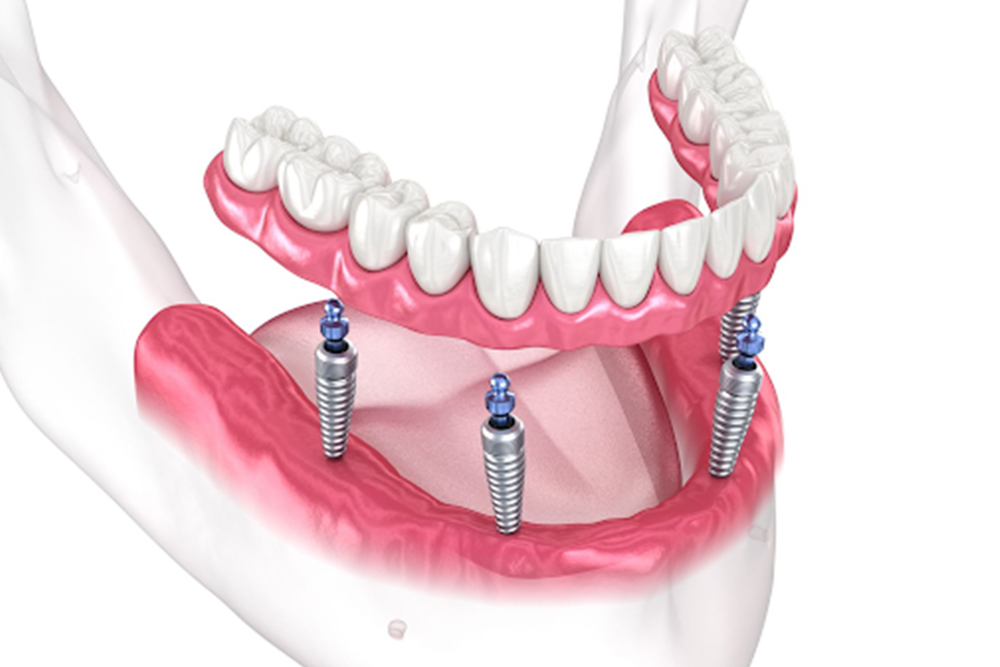
For example, if multiple teeth are missing beside one another, an implant supported bridge may sometimes be considered. Instead of replacing every missing tooth with its own implant, strategically placed implants may support a bridge that restores several teeth. Whether this option is appropriate depends on factors such as the amount of healthy bone available, the condition of your gums, and the location of the missing teeth.
If the missing teeth are located in different areas of the mouth, individual implants may be recommended instead. Every smile is different, so the number of implants required can vary considerably from one patient to another.
Your dentist may also discuss other tooth replacement options during your consultation. Comparing the advantages and considerations of different treatments helps ensure that the final recommendation reflects your individual needs rather than following the same approach for every patient.
If you're preparing for your first visit, it can also be helpful to learn what to expect at a dental implant consultation. During this appointment, your dentist will review your dental and medical history, examine your oral health, and discuss your smile goals. Digital imaging or other diagnostic records may also be recommended to gather the information needed for treatment planning.
The consultation is designed to answer your questions and explain the available options. Rather than assuming implants are appropriate for every situation, your dentist will evaluate the complete picture before making recommendations. Factors such as the health of your gums, the amount of available bone, the position of your remaining teeth, and how your upper and lower teeth fit together all play a role in determining which option may be recommended.
By the end of your assessment, you'll have a better understanding of the replacement options that may be appropriate for your situation and the factors that influence those recommendations. This information allows you to make an informed decision about your care while understanding that every treatment plan is tailored to the individual rather than based solely on the number of missing teeth.
While dental implants can be used to replace more than one missing tooth, the most appropriate treatment depends on your individual oral health. There isn't a single solution that works for everyone, which is why a thorough assessment is an important part of the planning process.
Your dentist may consider several factors, including:
After reviewing these factors, your dentist can explain which tooth replacement options may be appropriate and answer any questions you have about the recommended approach.
Your assessment is an opportunity to learn about your options and better understand which treatment may suit your needs. Asking questions can help you feel informed and confident before making any decisions.
Some helpful questions include:
These conversations allow you to better understand your treatment options while ensuring your recommendations are based on your individual oral health rather than a one size fits all approach.
If you're still deciding how to replace missing teeth, maintaining good oral hygiene remains important. Brushing twice a day, flossing regularly, and attending routine dental visits can help support the health of your remaining teeth and gums while you consider your options.
If you've recently lost one or more teeth, arranging an assessment sooner rather than later also allows your dentist to evaluate your oral health and discuss available solutions before recommending a personalized treatment plan.
If you're missing more than one tooth and would like to learn about your options, a personalized assessment is the best place to start. Every smile is different, and the most appropriate treatment depends on your oral health, the location of the missing teeth, and your individual goals.
Can dental implants replace more than one missing tooth?
Yes. Depending on your situation, dental implants may be used to support different types of restorations for multiple missing teeth. Your dentist can explain which options may be appropriate after a complete assessment.
Is an implant supported bridge different from a single implant?
Yes. A single implant is generally used to replace one missing tooth, while an implant supported bridge may be used to replace multiple neighbouring teeth using strategically placed implants. Your dentist will determine whether this approach is appropriate for your needs.
Can implants be used to replace all teeth?
In some situations, dental implants may be used as part of a full arch tooth replacement plan. However, the most appropriate treatment depends on your oral health and should be discussed during an assessment.
What happens if I have gum or bone health concerns?
Your dentist will examine your gums and jawbone during your assessment. If additional treatment is recommended before implant placement, they will explain why and discuss your options.
How do I book a dental implant assessment in Whitby?
If you'd like to learn more about your tooth replacement options, you can contact Downtown Whitby Dentistry or request an appointment. You can also call (905) 430-7045 if you'd prefer to speak with a member of the team before scheduling your assessment.



OUR HOURS
| Monday | 9:00 AM to 5:00 PM |
| Tuesday | 9:00 AM to 5:00 PM |
| Wednesday | 9:00 AM to 3:00 PM |
| Thursday | 9:00 AM to 5:00 PM |
| Friday | 9:00 AM to 1:00 PM (By Appointment) |
| Saturday | CLOSED |
| Sunday | CLOSED |
130 Byron St. North
Whitby, ON, L1N 4M9
905-430-7045
info@dwdentistry.ca
Request Appointment
Share or Read a Google Review

© 2026 Downtown Whitby Dentistry| All Rights Reserved - Website design by Vitamin D - Marketing & Design

