


As a dentist in Whitby who treats TMJ disorders regularly, I've noticed that many patients don't realize how daily habits contribute to their jaw pain. At Downtown Whitby Dentistry, we help patients identify TMJ triggers hidden in everyday activities. Today, I'll explore unexpected factors that aggravate TMJ symptoms and provide practical solutions for avoiding these common triggers.
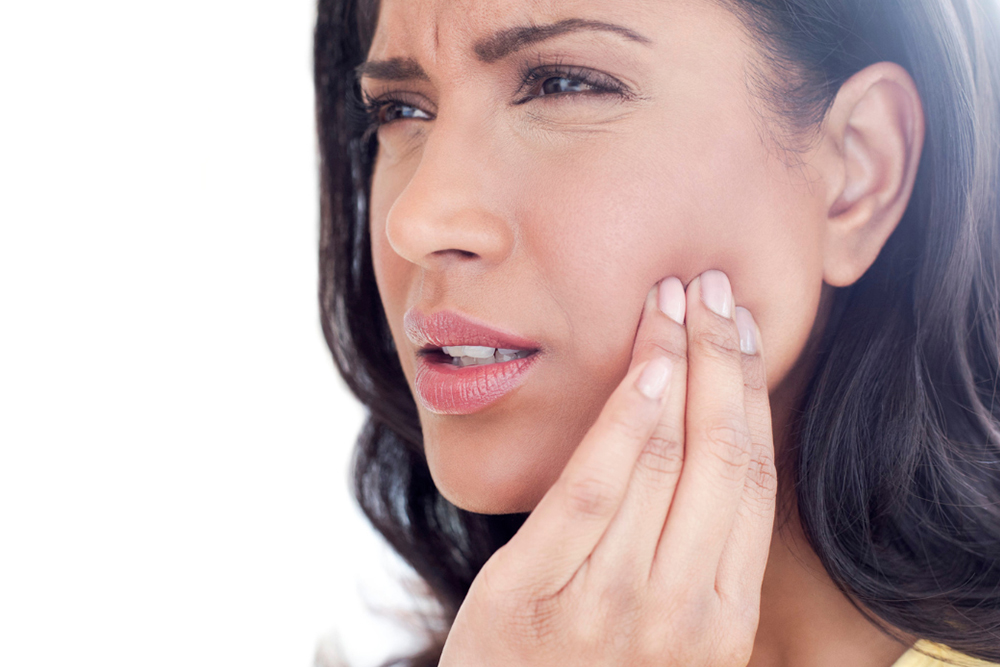
TMJ disorders affect the temporomandibular joint and surrounding muscles, causing pain, clicking, and limited jaw movement. While stress and teeth grinding are well-known TMJ triggers, many other daily activities contribute to symptoms. Understanding these hidden aggravators allows patients to make simple lifestyle changes that significantly reduce pain.
The connection between daily habits and TMJ symptoms often surprises patients. Small adjustments to phone use, sleeping position, and work setup can make a dramatic difference. Identifying your personal TMJ triggers is the first step toward effective symptom management and improved quality of life.
Modern smartphone use represents one of the most common yet overlooked TMJ triggers. Cradling your phone between your shoulder and ear forces the jaw into an unnatural position. This posture strains the temporomandibular joint and surrounding muscles, leading to pain and dysfunction.
Even holding your phone in your hand can contribute to TMJ problems. Looking down at your device for extended periods creates forward head posture. This position increases strain on neck muscles that connect to the jaw, indirectly aggravating TMJ symptoms.
At Downtown Whitby Dentistry, we recommend using speakerphone or headphones for calls longer than a few minutes. When texting or browsing, bring your phone to eye level rather than dropping your head down. These simple changes reduce strain on the TMJ and supporting structures.
Your sleeping position and pillow choice significantly impact TMJ symptoms. Pillows that are too high or too low force the jaw into misaligned positions throughout the night. This prolonged misalignment can trigger morning jaw pain and stiffness that many TMJ patients experience.
Stomach sleeping is particularly problematic for TMJ disorders. This position requires turning your head to one side for hours, creating asymmetric pressure on the jaw joint. Side sleeping can also aggravate TMJ symptoms if the pillow doesn't provide proper support.
The ideal sleeping position for TMJ management is on your back with proper neck support. Choose a pillow that maintains neutral spine alignment without pushing your head too far forward. Side sleepers should use a pillow thick enough to keep the head level with the spine.
Musicians face unique TMJ challenges depending on their instrument choice. Wind instruments like clarinet, saxophone, and trumpet require sustained jaw positioning that can strain the temporomandibular joint. String instruments like violin and viola require holding the instrument between shoulder and jaw, creating similar problems to phone cradling.
Even singing can trigger TMJ symptoms when performers open their mouths excessively wide or maintain tension in the jaw. The repetitive nature of practice sessions compounds these issues, leading to chronic TMJ problems in musicians.
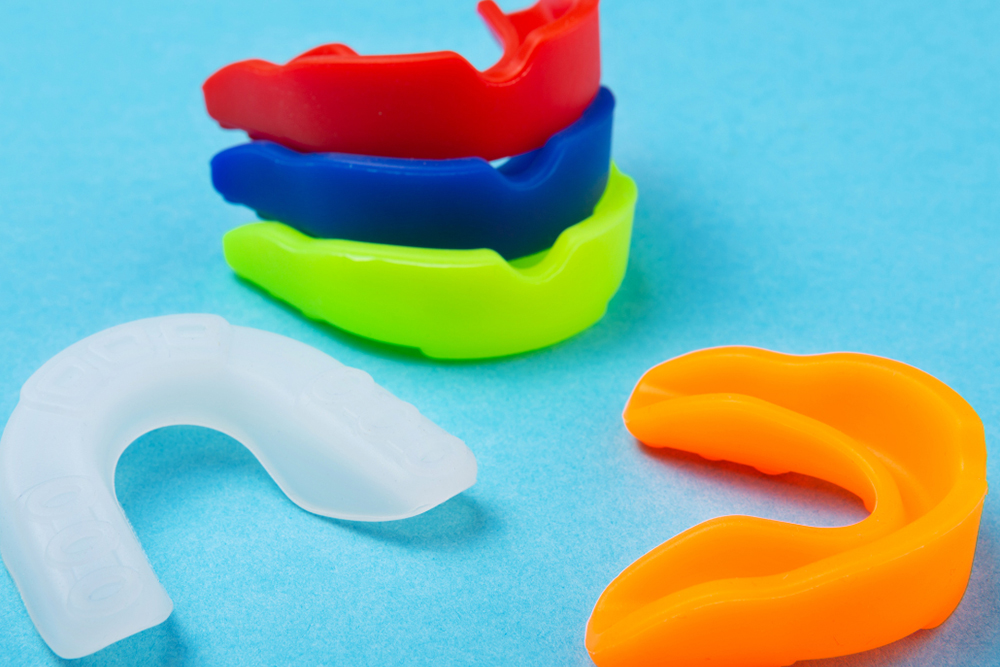
Musicians with TMJ should take frequent breaks during practice sessions. Working with a music teacher on proper technique can reduce jaw strain. At Downtown Whitby Dentistry, we can create custom mouthguards for wind instrument players to help distribute pressure more evenly.
Office work creates numerous TMJ triggers that accumulate throughout the workday. Computer monitor positioning affects head and neck posture, which directly impacts jaw alignment. Monitors placed too low cause forward head posture, while monitors too high create neck extension that strains TMJ-related muscles.
Desk height and chair positioning also influence TMJ symptoms. Working at a desk that's too high causes shoulder elevation, creating tension that travels to the jaw. Poor keyboard placement can cause similar problems through the chain of connected muscles.
Proper ergonomic setup is essential for TMJ management. Position your monitor at eye level, about an arm's length away. Adjust your chair so feet rest flat on the floor with knees at 90 degrees. Take regular breaks to stretch and relax jaw muscles throughout the workday.
Certain eating habits and food choices can trigger TMJ flare-ups. Chewing gum is one of the worst offenders, as it involves repetitive jaw movements that fatigue muscles and stress the joint. Hard or chewy foods require excessive force that can aggravate already sensitive TMJ structures.
Eating large bites or opening the mouth too wide to accommodate oversized foods can trigger TMJ pain. The joint has a limited range of comfortable motion, and exceeding this range repeatedly causes inflammation and discomfort.
At Downtown Whitby Dentistry, we advise TMJ patients to choose softer foods during flare-ups. Cut food into smaller pieces to avoid opening your mouth too wide. Alternate chewing sides to distribute forces evenly across both jaw joints.
Stress manifests physically in ways that directly trigger TMJ symptoms. Many people unconsciously clench their jaw during stressful situations like driving in traffic, working on difficult tasks, or watching intense movies. This habitual clenching creates muscle fatigue and joint compression.
Stress also affects sleep quality, leading to increased nighttime teeth grinding. The combination of daytime clenching and nighttime grinding creates a cycle of TMJ aggravation that's difficult to break without addressing the underlying stress.
Becoming aware of jaw clenching is the first step toward reducing this TMJ trigger. Practice relaxation techniques like deep breathing and progressive muscle relaxation. Consider stress management strategies such as exercise, meditation, or counseling to address underlying anxiety.
Certain exercises and physical activities can unexpectedly trigger TMJ symptoms. Heavy weightlifting often involves jaw clenching during exertion, placing excessive force on the temporomandibular joint. Contact sports risk direct trauma to the jaw that can cause acute TMJ problems.
Even seemingly gentle activities like yoga can trigger TMJ issues. Some yoga poses require jaw tension or unusual head positioning that strains the joint. Running and high-impact activities can cause jarring that affects the TMJ through connected structures.
Wearing a properly fitted mouthguard during contact sports protects against TMJ injury. Focus on keeping your jaw relaxed during weightlifting and other exercises. If certain activities consistently trigger TMJ pain, consider modifying your routine or choosing alternative exercises.
Every person with TMJ has unique triggers based on their lifestyle, occupation, and habits. Keeping a symptom diary helps identify patterns between activities and pain flare-ups. Record what you were doing when symptoms began or worsened, along with the severity and duration of pain.
At Downtown Whitby Dentistry, we review symptom diaries with patients to help identify their specific TMJ triggers. This personalized approach allows for targeted interventions that address the root causes of each patient's symptoms rather than just treating pain.
Understanding and avoiding TMJ triggers in daily life may reduce symptoms and improve quality of life. Many patients find that simple modifications to phone use, sleeping position, workplace setup, and daily habits provide substantial relief. At Downtown Whitby Dentistry, we help patients identify their personal TMJ triggers and develop strategies for avoiding these aggravators. If you're experiencing jaw pain, clicking, or other TMJ symptoms, contact us today to schedule a comprehensive evaluation and see how we can help manage your condition effectively.





















OUR HOURS
| Monday | 9:00 AM to 5:00 PM |
| Tuesday | 9:00 AM to 5:00 PM |
| Wednesday | 9:00 AM to 3:00 PM |
| Thursday | 9:00 AM to 5:00 PM |
| Friday | 9:00 AM to 1:00 PM (By Appointment) |
| Saturday | CLOSED |
| Sunday | CLOSED |
130 Byron St. North
Whitby, ON, L1N 4M9
905-430-7045
info@dwdentistry.ca
Request Appointment
Share or Read a Google Review

© 2026 Downtown Whitby Dentistry| All Rights Reserved - Website design by Vitamin D - Marketing & Design

