

As a dentist in Whitby specializing in sleep medicine, I understand that successful sleep apnea treatment requires ongoing monitoring and adjustment. At Downtown Whitby Dentistry, we carefully track outcomes, conduct follow-up assessments, and modify therapy as needed to ensure optimal results.
Sleep apnea treatment effectiveness varies among individuals based on numerous factors. The severity of the condition, patient compliance, and anatomical considerations all influence outcomes. Measuring success requires objective data from sleep studies combined with subjective symptom reporting.
Effective sleep apnea treatment monitoring begins with establishing baseline measurements before therapy starts. A diagnostic sleep study provides objective data about the severity of your condition. The apnea-hypopnea index (AHI) measures how many breathing interruptions occur per hour of sleep.
The baseline sleep study also records oxygen saturation levels throughout the night. These measurements show how severely sleep apnea affects your body's oxygen supply. Blood oxygen levels below 90% indicate significant health risks that sleep apnea treatment must address.
Baseline measurements for sleep apnea treatment:
At Downtown Whitby Dentistry, we also document subjective symptoms before beginning sleep apnea treatment. These include daytime sleepiness, morning headaches, concentration difficulties, and partner-reported snoring. Tracking these symptoms alongside objective data provides a complete picture of treatment effectiveness.
Follow-up sleep studies are essential for measuring sleep apnea treatment effectiveness objectively. These studies typically occur 2 to 3 months after starting therapy with an oral appliance. The timing allows the body to adjust to the treatment while providing timely feedback for necessary modifications.
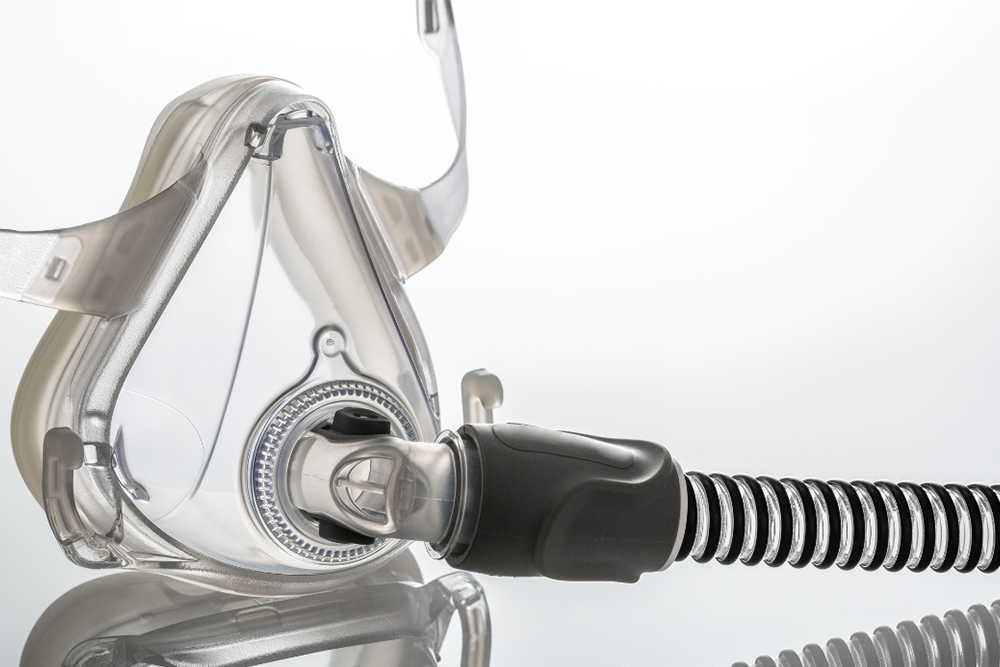
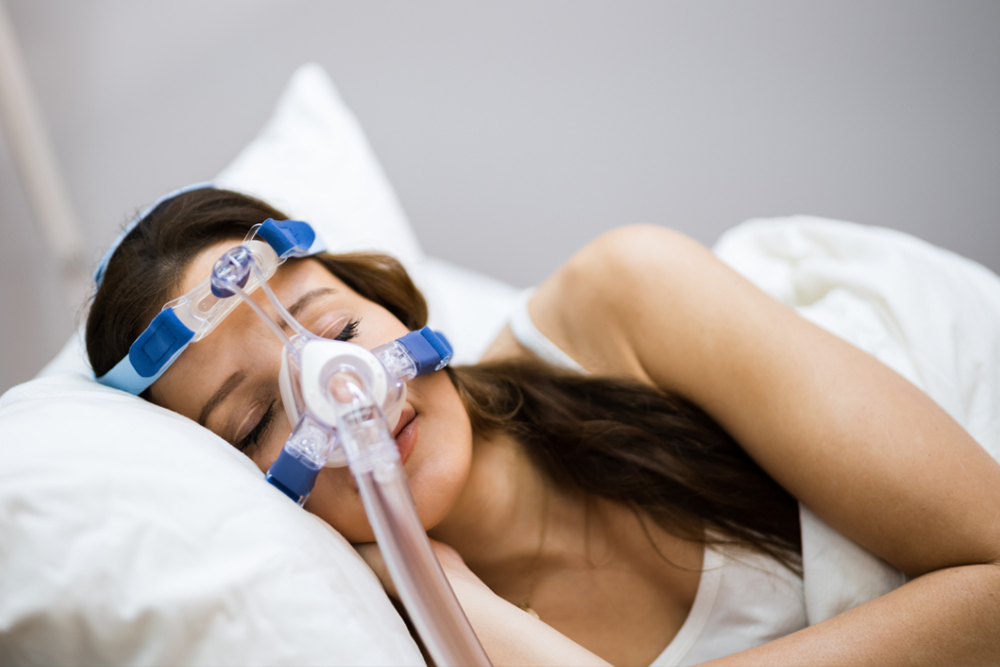
The follow-up sleep study is conducted while wearing your sleep apnea treatment device. This shows how effectively the appliance reduces breathing interruptions during actual sleep. Comparing the follow-up AHI to your baseline measurement quantifies the improvement achieved.
Follow-up sleep study metrics:
Successful sleep apnea treatment typically reduces the AHI to below 5 events per hour. Partial improvement to below 10 events per hour may be acceptable for some patients. If the AHI remains elevated, adjustments to the sleep apnea treatment device or alternative therapies may be necessary.
Subjective symptom improvement is equally important as objective sleep study data. Many patients notice dramatic changes in how they feel within weeks of starting sleep apnea treatment. Tracking these improvements helps validate the effectiveness of therapy and motivates continued compliance.
Daytime sleepiness is one of the most noticeable symptoms that improves with effective sleep apnea treatment. We use standardized questionnaires like the Epworth Sleepiness Scale to quantify changes. Patients rate their likelihood of dozing in various situations, providing a measurable symptom score.
Symptoms monitored during sleep apnea treatment:
At Downtown Whitby Dentistry, we ask patients to track symptoms during the first months of sleep apnea treatment. This daily tracking reveals patterns and helps identify factors that affect treatment effectiveness.
Certain indicators suggest that sleep apnea treatment modifications are necessary. Persistent daytime sleepiness despite wearing the appliance consistently indicates inadequate treatment. Follow-up sleep studies showing minimal AHI improvement also signal the need for changes.
Physical discomfort or side effects may require sleep apnea treatment modifications. Jaw pain, tooth discomfort, or excessive salivation can affect compliance. Addressing these issues through appliance adjustments or design changes improves long-term treatment success.
Signs sleep apnea treatment needs modification:
Weight changes can significantly affect sleep apnea treatment effectiveness. Weight gain may worsen sleep apnea, requiring more aggressive therapy. Conversely, weight loss may allow for less invasive treatment or even resolution of the condition in some cases.
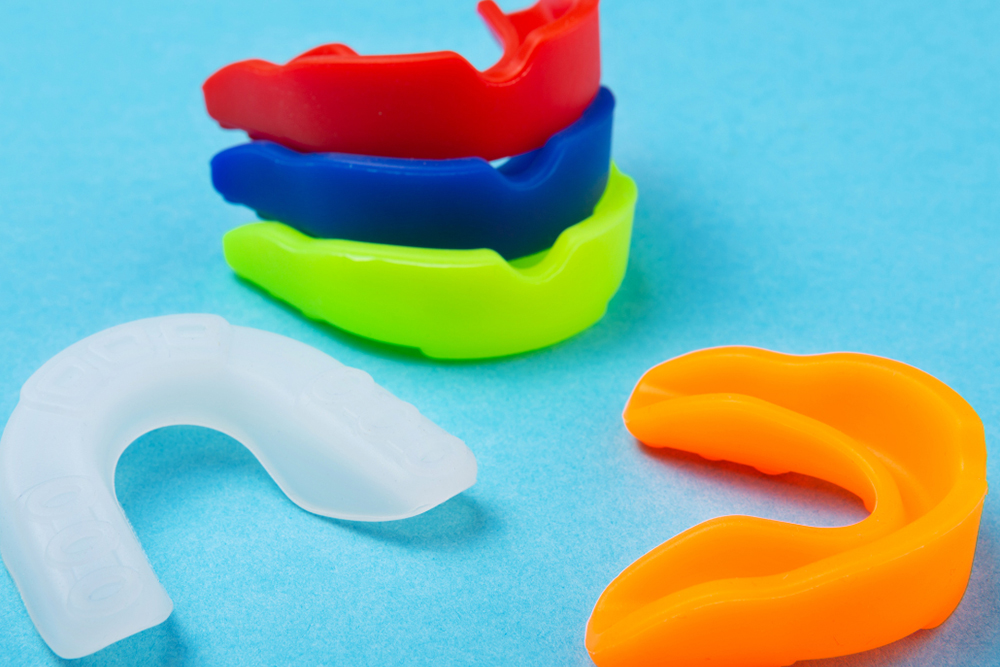
Oral appliances used for sleep apnea treatment often require adjustments to achieve optimal effectiveness. The initial fitting positions the jaw in a therapeutic position, but fine-tuning may be necessary. We make incremental adjustments based on symptom reports and objective data from follow-up studies.
The adjustment process for sleep apnea treatment involves gradually advancing the lower jaw position. Each small advancement increases airway space and may improve breathing during sleep. We balance effectiveness with comfort, as excessive advancement can cause jaw pain or bite changes.
Adjustment process for sleep apnea treatment:
Some patients achieve excellent results with minimal adjustments to their sleep apnea treatment appliance. Others require several modification appointments to find the optimal position. This individualized approach ensures each patient receives the most effective therapy possible.
Sleep apnea treatment requires ongoing monitoring even after achieving initial success. Annual follow-up appointments allow us to assess continued effectiveness and address any emerging issues. Regular check-ups ensure the appliance remains in good condition and fits properly.
Long-term sleep apnea treatment monitoring:
At Downtown Whitby Dentistry, we maintain detailed records of each patient's sleep apnea treatment journey. This longitudinal data helps us identify trends and make informed decisions about ongoing care.
Treatment compliance significantly affects sleep apnea treatment outcomes. Even the most effective appliance provides no benefit if not worn consistently. We monitor compliance through patient self-reporting and, when available, objective compliance tracking technology.
Some modern oral appliances include compliance monitoring chips that record wear time. This objective data shows how many hours per night the sleep apnea treatment device is worn. The information helps identify compliance issues that may explain suboptimal outcomes.
Effective sleep apnea treatment requires more than just providing an appliance or therapy device. Success depends on careful monitoring, regular follow-ups, and willingness to adjust therapy based on objective and subjective data. At Downtown Whitby Dentistry, we're committed to ensuring your sleep apnea treatment delivers optimal results through comprehensive monitoring and personalized adjustments. If you're currently receiving sleep apnea treatment or considering starting therapy, contact us today to learn how our thorough monitoring approach can help you achieve the best possible outcomes and improved quality of life.
















OUR HOURS
| Monday | 9:00 AM to 5:00 PM |
| Tuesday | 9:00 AM to 5:00 PM |
| Wednesday | 9:00 AM to 3:00 PM |
| Thursday | 9:00 AM to 5:00 PM |
| Friday | 9:00 AM to 1:00 PM (By Appointment) |
| Saturday | CLOSED |
| Sunday | CLOSED |
130 Byron St. North
Whitby, ON, L1N 4M9
905-430-7045
info@dwdentistry.ca
Request Appointment
Share or Read a Google Review

© 2026 Downtown Whitby Dentistry| All Rights Reserved - Website design by Vitamin D - Marketing & Design

