

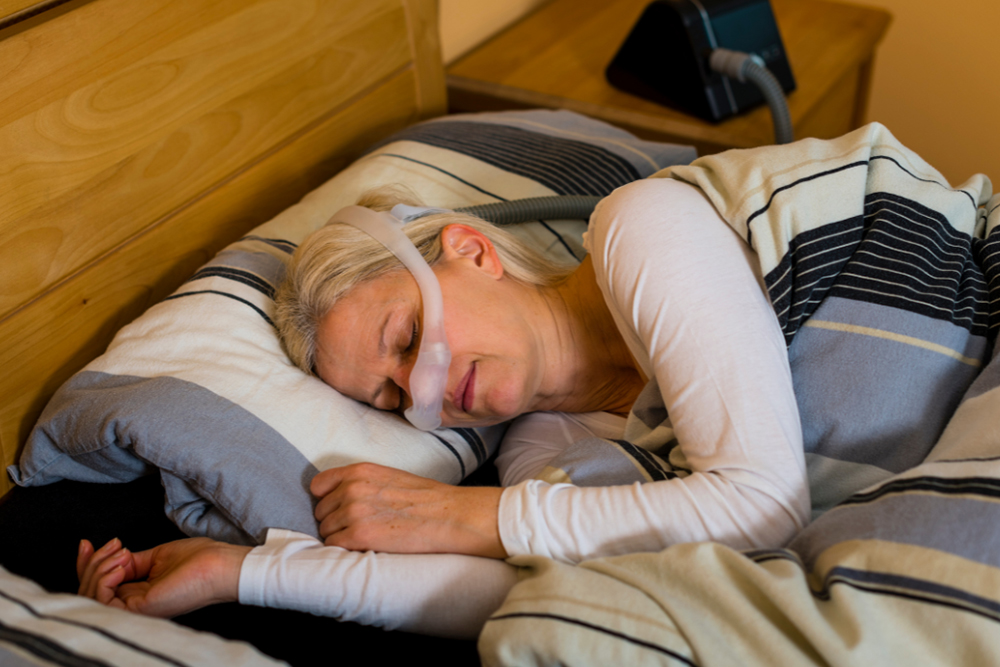
As a dentist in Whitby who provides sleep apnea appliances to patients daily, I understand that proper care extends the life of your device and protects your health. At Downtown Whitby Dentistry, we emphasize that sleep apnea appliances require consistent hygiene and storage practices to remain effective and safe. Today, I'll share comprehensive guidelines for maintaining your sleep apnea appliances properly.
Sleep apnea appliances spend hours in your mouth each night, creating an environment where bacteria can thrive if proper care isn't maintained. The warm, moist conditions inside oral appliances make them susceptible to bacterial and fungal growth. Proper cleaning and storage of sleep apnea appliances prevents contamination and ensures the device remains safe to use.
Many patients don't realize that improper care of sleep apnea appliances can lead to oral health problems. Bacterial buildup on the device can cause bad breath, gum inflammation, and even tooth decay. Following proper hygiene protocols protects both your appliance investment and your oral health.
Establishing a consistent daily cleaning routine is essential for maintaining sleep apnea appliances. Clean your appliance every morning immediately after removing it from your mouth. This prevents saliva and bacteria from drying on the surface, which makes cleaning more difficult later.
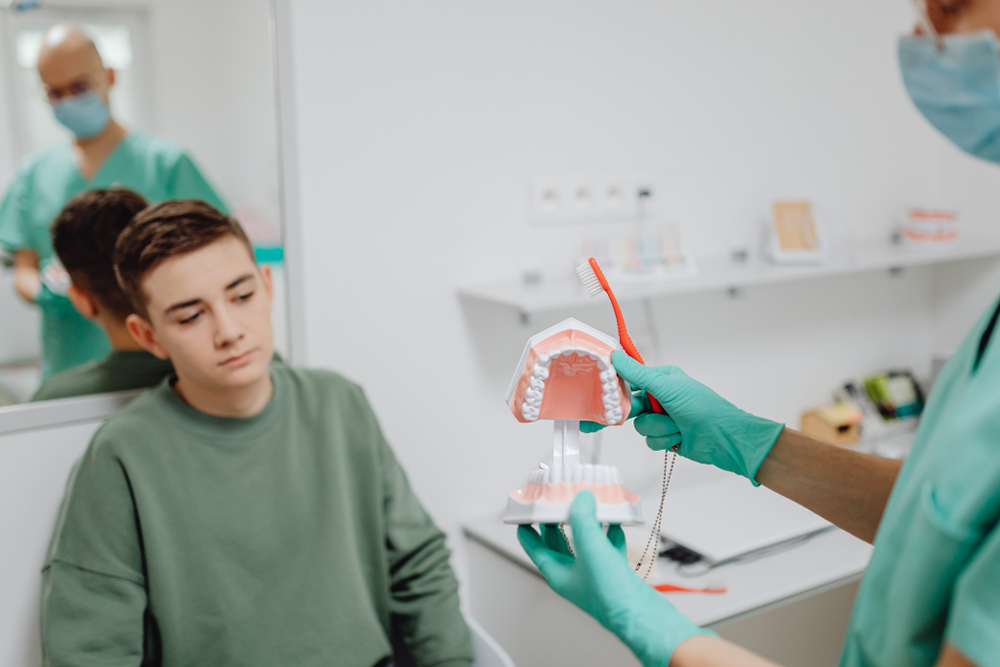
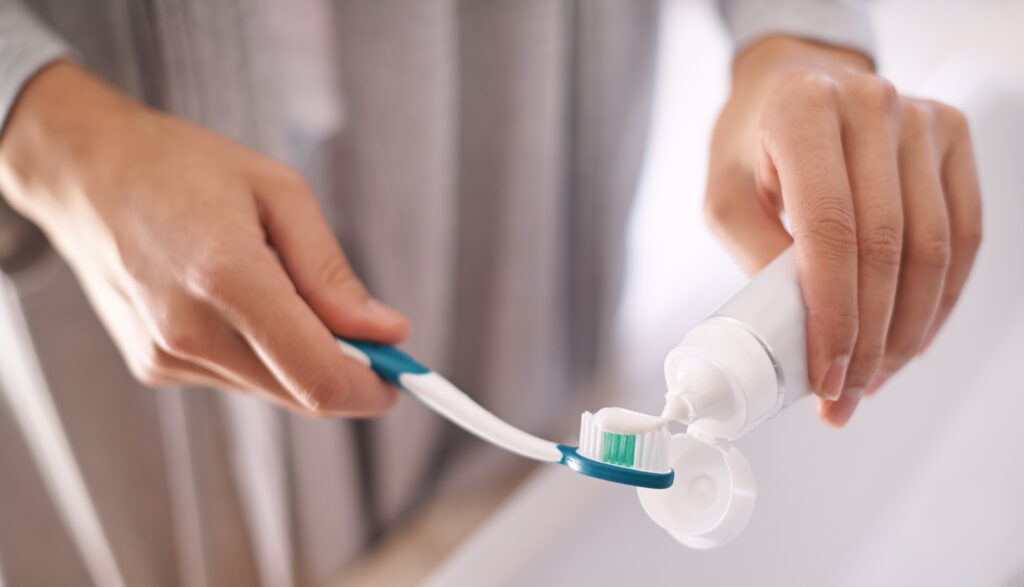
Use a soft-bristled toothbrush dedicated solely to cleaning your sleep apnea appliances. Brush all surfaces gently with cool or lukewarm water and mild, non-abrasive soap. Avoid using toothpaste, as many contain abrasive particles that can scratch the appliance surface and create areas where bacteria can hide.
At Downtown Whitby Dentistry, we recommend against using hot water on sleep apnea appliances. High temperatures can warp the acrylic material, affecting the fit and effectiveness of your device. Always use cool or lukewarm water for cleaning and rinsing.
Proper drying is crucial for preventing bacterial growth on sleep apnea appliances. After cleaning, shake off excess water and place the appliance on a clean, dry towel. Allow it to air dry completely before storing in its case.
Never store sleep apnea appliances while still wet or damp. Moisture trapped in a closed container creates an ideal environment for bacteria and mold growth. Complete drying typically takes 15 to 30 minutes depending on humidity levels in your home.
Some patients use small fans to speed the drying process for their sleep apnea appliances. This can be helpful in humid climates or during summer months. Just ensure the fan is clean and positioned to blow clean air across the appliance.
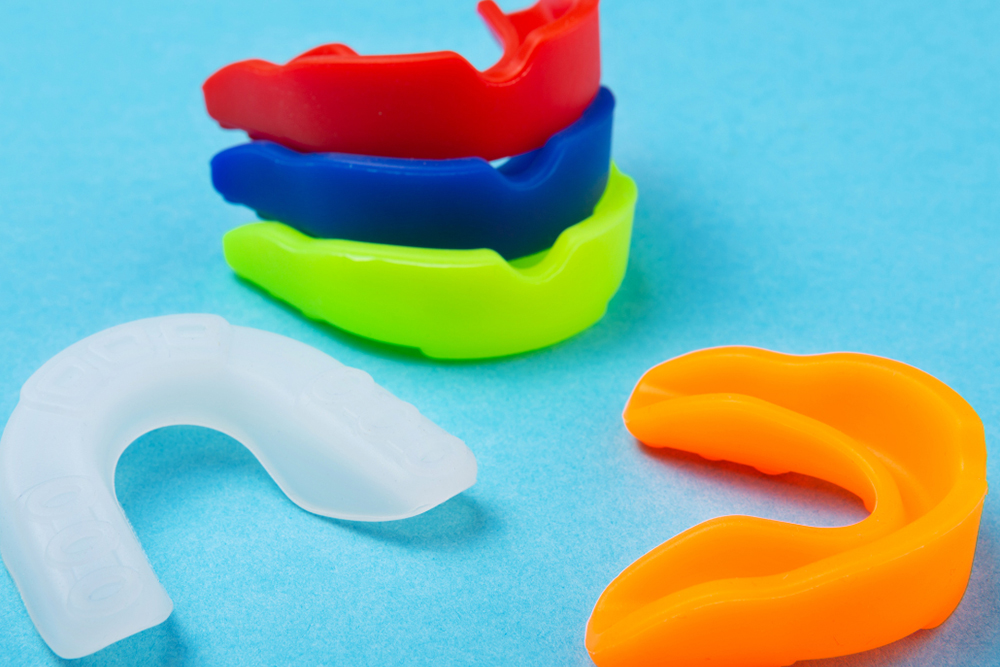
Proper storage protects sleep apnea appliances from damage and contamination when not in use. Always store your appliance in its designated case once completely dry. The case should have ventilation holes to allow air circulation and prevent moisture buildup.
Store sleep apnea appliances in a cool, dry location away from direct sunlight and heat sources. Excessive heat can warp the appliance material. Keep the storage case away from pets and children who might accidentally damage the device.
At Downtown Whitby Dentistry, we provide proper storage cases with all sleep apnea appliances. If your case becomes damaged or lost, contact us for a replacement. Never store your appliance loose in a drawer or wrapped in tissue, as this exposes it to contamination and damage.
In addition to daily cleaning, sleep apnea appliances benefit from weekly deep cleaning. This removes buildup that daily brushing might miss. Use denture cleaning tablets or specialized appliance cleaners designed for oral devices.
Soak your sleep apnea appliances in the cleaning solution for the time specified on the product instructions. Most cleaners require 15 to 30 minutes of soaking. After soaking, brush the appliance again and rinse thoroughly with cool water.
Never use bleach or harsh chemicals on sleep apnea appliances. These can damage the material and leave harmful residues. Stick to products specifically designed for oral appliances or dentures.
Traveling with sleep apnea appliances requires special considerations to maintain hygiene and prevent damage. Always pack your appliance in its protective case, never loose in luggage. Place the case in your carry-on bag rather than checked luggage to prevent loss or extreme temperature exposure.
Bring travel-sized cleaning supplies including a small brush and mild soap. Many hotels have hard water that can leave mineral deposits on sleep apnea appliances. Rinse with bottled water if tap water quality is questionable.
If traveling internationally, research local water quality beforehand. In some locations, using bottled water for cleaning sleep apnea appliances is advisable to avoid contamination or mineral buildup.
Contamination prevention starts with proper hand hygiene before handling sleep apnea appliances. Always wash your hands thoroughly before inserting or removing your device. This prevents transferring bacteria from your hands to the appliance and then into your mouth.
Keep your sleep apnea appliances away from bathroom surfaces where bacteria can accumulate. Never place the appliance directly on countertops, sinks, or other surfaces. Use a clean towel or the appliance case as a barrier.
The storage case for sleep apnea appliances also needs regular cleaning. Wash the case weekly with mild soap and water, then allow it to dry completely. A contaminated case can reintroduce bacteria to your freshly cleaned appliance.
Even with excellent home care, sleep apnea appliances benefit from periodic professional cleaning. At Downtown Whitby Dentistry, we can deep clean your appliance using ultrasonic cleaners and professional-grade solutions. These remove buildup that home cleaning methods cannot address.
Bring your sleep apnea appliances to regular dental checkups for inspection and professional cleaning. We can identify early signs of wear or damage that might affect the appliance's effectiveness. Professional cleaning typically occurs every 6 months during routine dental visits.
If you notice any of these signs between scheduled appointments, contact Downtown Whitby Dentistry. We can assess whether professional cleaning or appliance replacement is necessary.
Many patients unknowingly damage their sleep apnea appliances through improper care practices. Using hot water is one of the most common mistakes, as it can warp the acrylic material. Always use cool or lukewarm water for all cleaning and rinsing.
Another frequent error is using abrasive cleaners or toothpaste on sleep apnea appliances. These products scratch the surface, creating microscopic grooves where bacteria can accumulate. Stick to mild soap or products specifically designed for oral appliances.
Some patients try to adjust or modify their sleep apnea appliances at home. Never attempt to alter your appliance yourself, as this can affect its fit and effectiveness. Contact our office if adjustments are needed.
Proper care of sleep apnea appliances ensures they remain effective, hygienic, and long-lasting. Following these storage and hygiene guidelines protects your investment and your oral health. At Downtown Whitby Dentistry, we're committed to helping you maintain your sleep apnea appliances properly through education and professional support. If you have questions about caring for your appliance or need professional cleaning, contact us today. We're here to ensure your sleep apnea treatment remains safe, effective, and comfortable for years to come.













OUR HOURS
| Monday | 9:00 AM to 5:00 PM |
| Tuesday | 9:00 AM to 5:00 PM |
| Wednesday | 9:00 AM to 3:00 PM |
| Thursday | 9:00 AM to 5:00 PM |
| Friday | 9:00 AM to 1:00 PM (By Appointment) |
| Saturday | CLOSED |
| Sunday | CLOSED |
130 Byron St. North
Whitby, ON, L1N 4M9
905-430-7045
info@dwdentistry.ca
Request Appointment
Share or Read a Google Review

© 2026 Downtown Whitby Dentistry| All Rights Reserved - Website design by Vitamin D - Marketing & Design

