

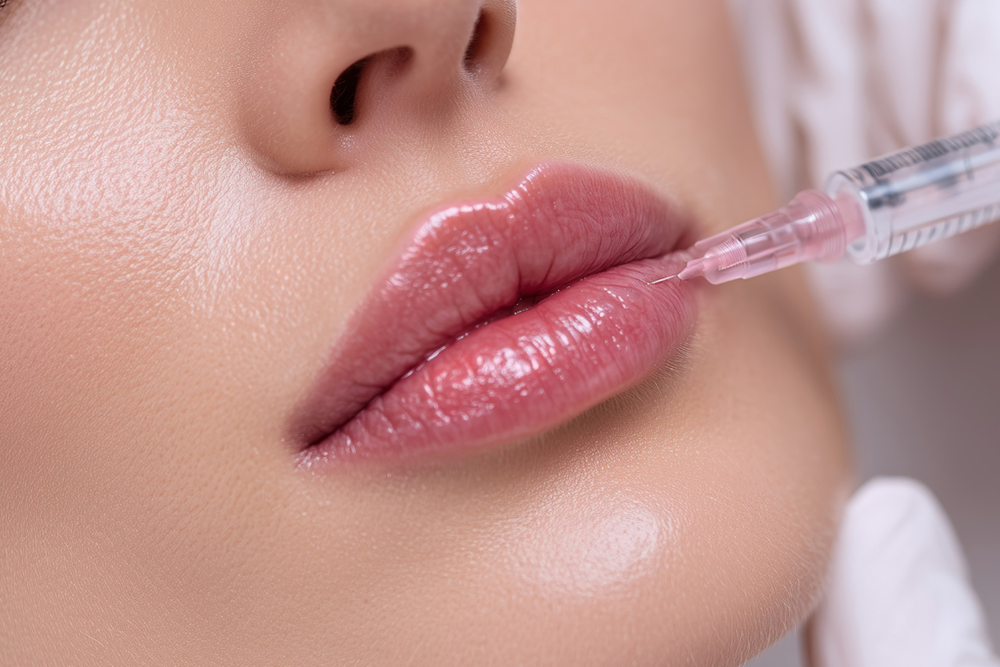
As a dentist in Whitby who offers advanced therapeutic treatments, I've witnessed the remarkable evolution of Botox therapeutics over the past decades. At Downtown Whitby Dentistry, we use Botox therapeutics for various medical applications beyond cosmetic enhancement. Today, I'll trace the fascinating journey of Botox therapeutics from its cosmetic origins to its current status as a versatile medical treatment.
Botox therapeutics has transformed from a wrinkle-reducing cosmetic procedure into a powerful medical tool. This evolution reflects decades of research, clinical trials, and regulatory approvals. Understanding the history of Botox therapeutics helps patients appreciate its legitimacy as a medical treatment rather than merely a cosmetic enhancement.
The story of Botox therapeutics demonstrates how scientific discovery can lead to unexpected therapeutic applications. What began as a toxin studied for food safety concerns became one of the most versatile treatments in modern medicine. This journey showcases the importance of continued research and open-minded exploration of medical possibilities.
The origins of Botox therapeutics trace back to the 1820s when scientists first identified botulinum toxin. German physician Justinus Kerner studied the toxin after food poisoning outbreaks. He recognized both its dangers and potential therapeutic properties, laying the groundwork for future Botox therapeutics development.
In the 1940s and 1950s, Dr. Edward Schantz successfully purified botulinum toxin type A. This purification was crucial for developing safe, controlled applications. The ability to isolate and standardize the toxin made therapeutic use possible, though practical applications were still decades away.
Early milestones in Botox therapeutics:
Dr. Alan Scott, an ophthalmologist, pioneered the therapeutic use of botulinum toxin in the 1970s. He used it to treat strabismus, a condition causing crossed eyes. This groundbreaking work demonstrated that controlled doses of the toxin could safely treat medical conditions, establishing the foundation for modern Botox therapeutics.
The FDA approval process transformed Botox therapeutics from experimental treatment to mainstream medical therapy. The first approval came in 1989 for treating eye muscle disorders including strabismus and blepharospasm. This milestone validated years of research and opened doors for additional therapeutic applications.
In 2000, the FDA approved Botox therapeutics for cervical dystonia, a painful neck condition. This approval marked the beginning of widespread recognition of Botox as a legitimate medical treatment. The therapeutic applications were gaining equal importance to cosmetic uses.
Key FDA approvals for Botox therapeutics:
The 2010 approval for chronic migraine treatment represented a significant expansion of Botox therapeutics. This approval affected millions of people suffering from debilitating headaches. Clinical trials showed that Botox therapeutics could reduce migraine frequency and severity when other treatments failed.
The integration of Botox therapeutics into dental practice represents a natural evolution of the field. Dentists possess extensive knowledge of facial anatomy, muscle function, and pain management. This expertise makes dental professionals ideal providers of Botox therapeutics for oral and facial conditions.
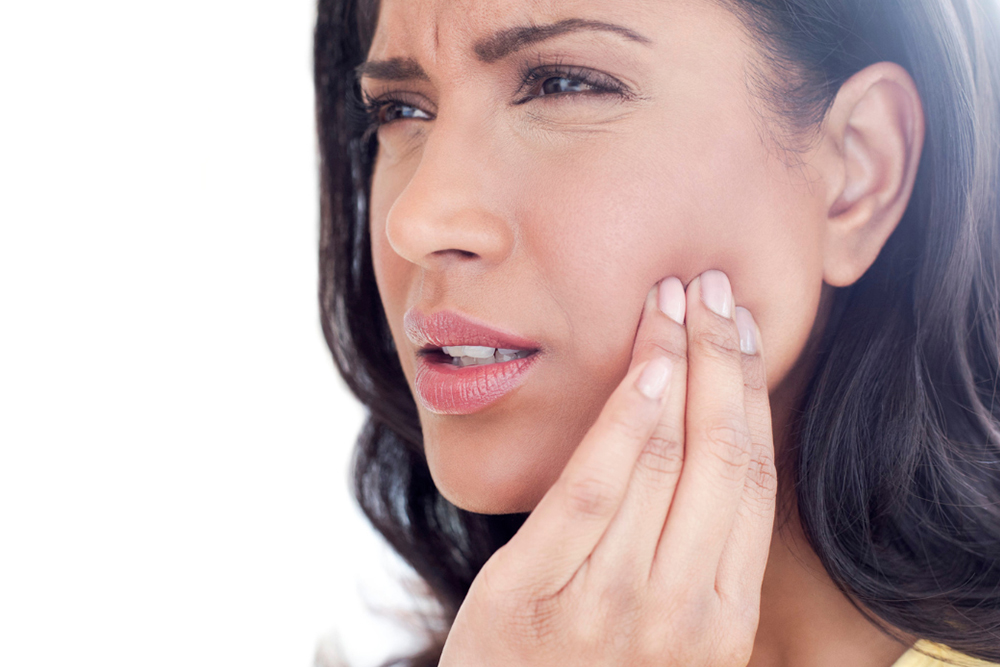
Temporomandibular joint disorders became one of the first dental applications of Botox therapeutics. The treatment addresses muscle hyperactivity that contributes to jaw pain and dysfunction. Many patients who hadn't responded to traditional TMJ treatments found relief through Botox therapeutics.
Dental applications of Botox therapeutics:
At Downtown Whitby Dentistry, we've incorporated Botox therapeutics into our comprehensive treatment approach. This allows us to address conditions that traditional dentistry couldn't effectively manage. The results have been transformative for patients suffering from chronic jaw pain and related conditions.
Today, Botox therapeutics treats over 20 different medical conditions across multiple specialties. The versatility of this treatment continues to expand as researchers discover new applications. Each new use undergoes rigorous clinical testing before receiving regulatory approval.
Current medical uses of Botox therapeutics:
Urological applications of Botox therapeutics have helped patients with overactive bladder conditions. The treatment relaxes bladder muscles, reducing urgency and frequency. This application demonstrates how Botox therapeutics can improve quality of life beyond pain management.
Emerging applications under research:
Dermatological research explores Botox therapeutics for conditions beyond cosmetics. Studies investigate its use for wound healing, scar reduction, and skin conditions like rosacea. The anti-inflammatory properties of Botox may contribute to these therapeutic effects.
Safety features of modern Botox therapeutics:
At Downtown Whitby Dentistry, we follow strict protocols for Botox therapeutics administration. Our team maintains current certification and stays updated on the latest safety guidelines. This commitment ensures our patients receive the safest, most effective treatment possible.
Future directions for Botox therapeutics:
Dentist qualifications for Botox therapeutics:
The evolution of Botox therapeutics from cosmetic treatment to medical marvel demonstrates the power of scientific research and clinical innovation. What began as a toxin studied for safety concerns has become a versatile therapeutic tool treating numerous medical conditions. At Downtown Whitby Dentistry, we're proud to offer Botox therapeutics as part of our comprehensive approach to oral and facial health. If you're interested in learning whether Botox therapeutics might benefit your specific condition, contact us today to schedule a consultation and discover how this remarkable treatment could improve your quality of life.

















OUR HOURS
| Monday | 9:00 AM to 5:00 PM |
| Tuesday | 9:00 AM to 5:00 PM |
| Wednesday | 9:00 AM to 3:00 PM |
| Thursday | 9:00 AM to 5:00 PM |
| Friday | 9:00 AM to 1:00 PM (By Appointment) |
| Saturday | CLOSED |
| Sunday | CLOSED |
130 Byron St. North
Whitby, ON, L1N 4M9
905-430-7045
info@dwdentistry.ca
Request Appointment
Share or Read a Google Review

© 2026 Downtown Whitby Dentistry| All Rights Reserved - Website design by Vitamin D - Marketing & Design

