
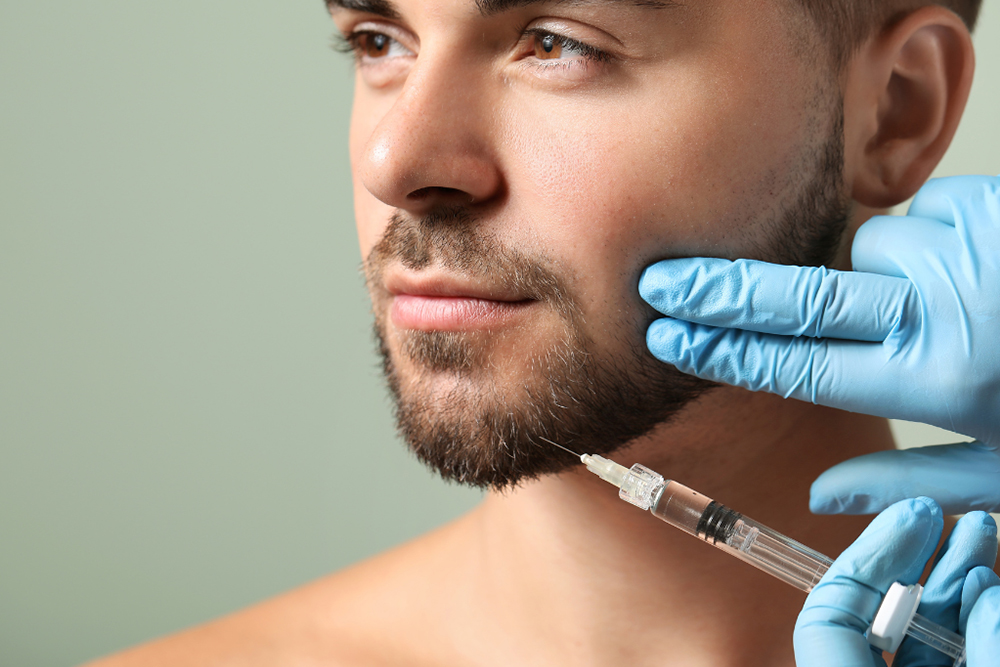
As a dentist in Whitby specializing in TMJ disorders, I've witnessed the remarkable effectiveness of Botox for TMJ treatment. At Downtown Whitby Dentistry, we use Botox for TMJ to help patients find relief from chronic jaw pain and dysfunction. Today, I'll explain the detailed science behind how Botox for TMJ works at the cellular level to relax muscles and interrupt pain signals.
Understanding the mechanism of Botox for TMJ helps patients make informed decisions about their treatment options. This therapeutic approach targets specific jaw muscles responsible for pain and dysfunction. The science behind Botox for TMJ is fascinating and demonstrates why this treatment has become increasingly popular for managing temporomandibular joint disorders.
Botox for TMJ represents a significant advancement in non-surgical pain management. The treatment works by temporarily blocking nerve signals that cause excessive muscle contraction. This targeted approach provides relief without the side effects associated with systemic medications or invasive surgical procedures.
Botox for TMJ works through a precise biological mechanism at the neuromuscular junction. This is where nerve cells communicate with muscle fibers to trigger contraction. Understanding this cellular interaction is key to appreciating how Botox for TMJ provides therapeutic benefits.
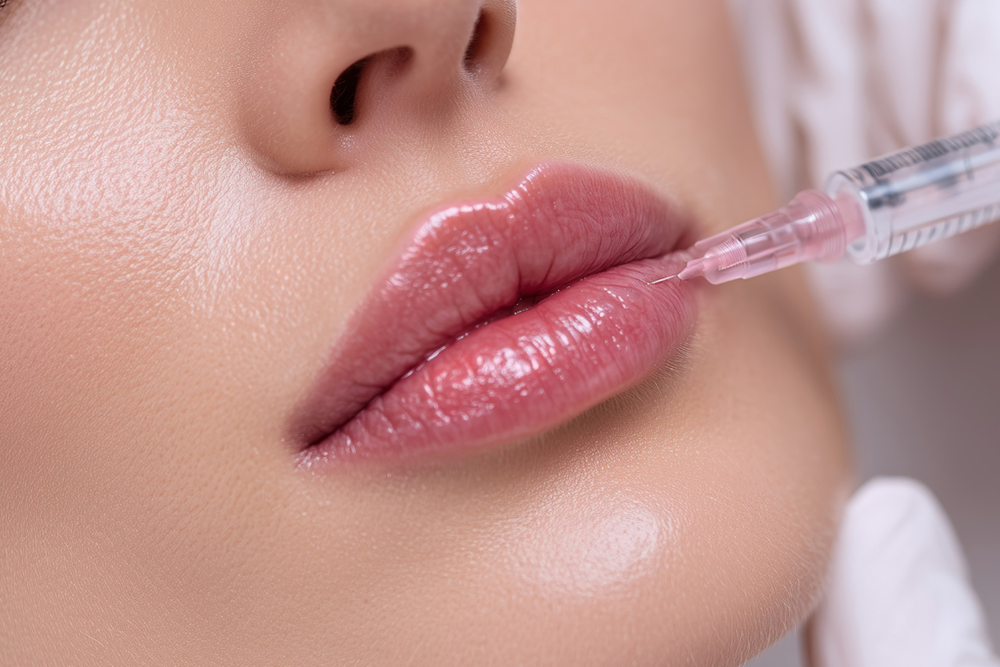
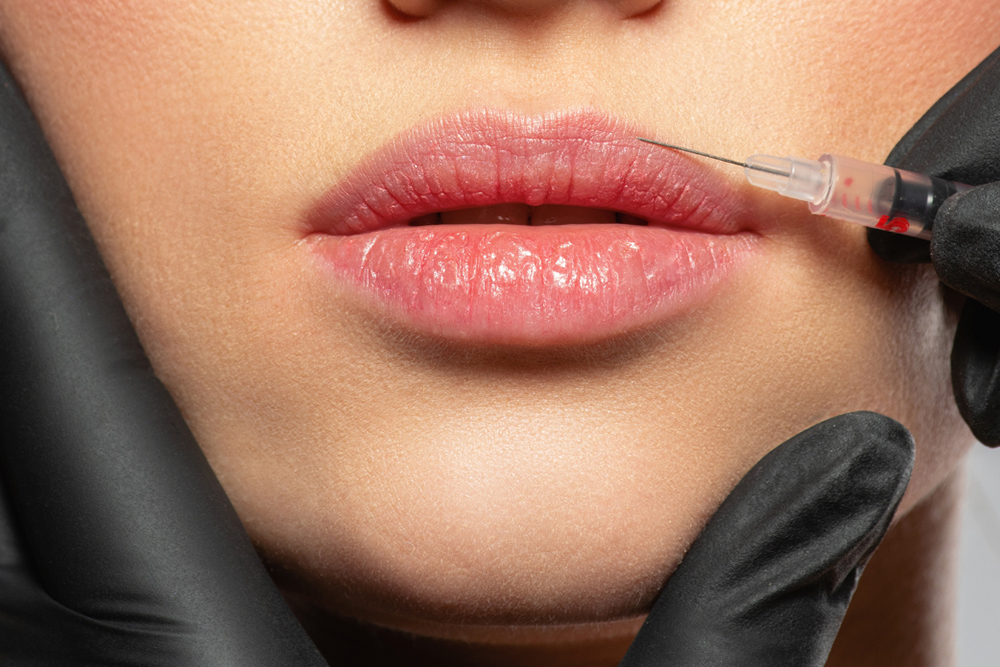
The active ingredient in Botox is botulinum toxin type A, a purified protein. When injected into specific jaw muscles, Botox for TMJ blocks the release of acetylcholine, a neurotransmitter. Acetylcholine normally carries signals from nerves to muscles, telling them to contract.
Cellular mechanism of Botox for TMJ:
Without acetylcholine release, the muscle cannot receive the signal to contract forcefully. This doesn't paralyze the muscle completely but reduces its ability to engage in the excessive contractions that cause TMJ pain. The muscle can still function but at a reduced, more comfortable level.
Botox for TMJ treatment focuses on specific muscles responsible for jaw movement and clenching. The masseter and temporalis muscles are primary targets. These powerful muscles can generate tremendous force during clenching and grinding, leading to pain and joint damage.
The masseter muscle, located at the angle of the jaw, is often the most overactive in TMJ disorders. When injected with Botox for TMJ, this muscle relaxes, reducing the grinding and clenching forces. The temporalis muscle, which spans the side of the head, also benefits from targeted Botox injections.
Primary muscles treated with Botox for TMJ:
At Downtown Whitby Dentistry, we use precise injection techniques to target these muscles effectively. The placement of Botox for TMJ injections is critical for optimal results. We identify trigger points and areas of maximum muscle tension through careful palpation and patient feedback.
Understanding the timeline of Botox for TMJ helps set realistic expectations for treatment outcomes. The effects don't occur immediately but develop gradually over several days. This progressive onset reflects the biological process of blocking neurotransmitter release.
Most patients begin noticing improvements within 3 to 5 days after Botox for TMJ injections. The full therapeutic effect typically develops within 2 weeks. During this time, the muscle gradually relaxes as the Botox blocks more acetylcholine release at the neuromuscular junction.
Botox for TMJ treatment timeline:
The effects of Botox for TMJ are temporary, typically lasting 3 to 6 months. As the body naturally metabolizes the Botox protein, nerve endings regenerate and acetylcholine release resumes. Repeat treatments maintain the therapeutic benefits for patients with chronic TMJ disorders.
Beyond muscle relaxation, Botox for TMJ also interrupts pain signals through additional mechanisms. Research suggests that Botox affects sensory nerve pathways involved in pain transmission. This dual action makes Botox for TMJ particularly effective for chronic pain conditions.
Botox appears to inhibit the release of pain-related neurotransmitters like substance P and glutamate. These chemicals amplify pain signals in the nervous system. By reducing their release, Botox for TMJ decreases pain perception independent of its muscle-relaxing effects.
Pain relief mechanisms of Botox for TMJ:
The effectiveness of Botox for TMJ depends on proper dosing and precise injection placement. At Downtown Whitby Dentistry, we calculate doses based on muscle size, severity of symptoms, and individual patient factors. Typical doses range from 25 to 50 units per masseter muscle.
The concentration and volume of Botox for TMJ injections are carefully controlled. We use multiple injection sites within each muscle to ensure even distribution. This technique maximizes therapeutic effect while minimizing the risk of unwanted effects on nearby muscles.
Dosing considerations for Botox for TMJ:
Precision in injection technique is crucial for successful Botox for TMJ treatment. We identify optimal injection points through anatomical knowledge and palpation of muscle tension. The injections are administered using fine needles to minimize discomfort during the procedure.
Botox for TMJ has an excellent safety profile when administered by trained professionals. The treatment has been used for decades in medical and dental applications. Serious side effects are extremely rare when proper techniques and dosing are followed.
Common side effects of Botox for TMJ are typically mild and temporary. Some patients experience slight bruising or tenderness at injection sites. These effects usually resolve within a few days without intervention.
Potential side effects of Botox for TMJ:
Botox for TMJ offers advantages over many traditional TMJ treatments. Unlike oral medications that affect the entire body, Botox for TMJ provides targeted relief. The treatment doesn't cause the drowsiness or digestive issues associated with pain medications or muscle relaxants.
Compared to surgical interventions, Botox for TMJ is minimally invasive with no recovery time. Patients can resume normal activities immediately after treatment. The reversible nature of Botox allows for treatment adjustments based on individual response.
Advantages of Botox for TMJ:
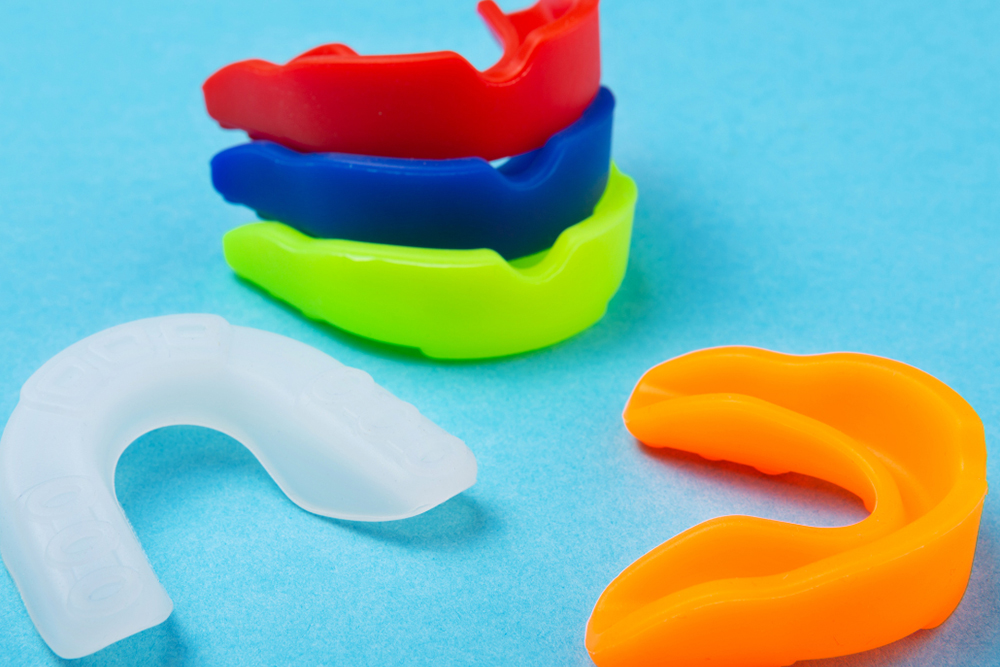
Night guards and physical therapy remain important components of comprehensive TMJ care. Botox for TMJ works well alongside these treatments, often enhancing their effectiveness. The muscle relaxation from Botox can make physical therapy exercises more comfortable and productive.
Research on long-term outcomes of Botox for TMJ shows sustained benefits with repeated treatments. Many patients experience progressive improvement in symptoms over multiple treatment cycles. The cumulative effect may result from breaking the cycle of chronic muscle tension and pain.
Some patients find they can extend the time between Botox for TMJ treatments as their condition improves. The reduced muscle hyperactivity may allow other therapeutic interventions to work more effectively. This can lead to better long-term management of TMJ disorders.
Long-term benefits of Botox for TMJ:
At Downtown Whitby Dentistry, we monitor patients receiving Botox for TMJ to track their progress and adjust treatment plans. This ongoing care ensures optimal outcomes and allows us to refine our approach based on individual response patterns.
The science behind Botox for TMJ demonstrates why this treatment has become a valuable tool for managing temporomandibular joint disorders. Through precise cellular mechanisms, Botox for TMJ relaxes overactive muscles and interrupts pain signals, providing significant relief for many patients. If you're struggling with chronic jaw pain, clenching, or TMJ dysfunction, contact Downtown Whitby Dentistry today to learn whether Botox for TMJ might be an appropriate treatment option for your specific condition.











OUR HOURS
| Monday | 9:00 AM to 5:00 PM |
| Tuesday | 9:00 AM to 5:00 PM |
| Wednesday | 9:00 AM to 3:00 PM |
| Thursday | 9:00 AM to 5:00 PM |
| Friday | 9:00 AM to 1:00 PM (By Appointment) |
| Saturday | CLOSED |
| Sunday | CLOSED |
130 Byron St. North
Whitby, ON, L1N 4M9
905-430-7045
info@dwdentistry.ca
Request Appointment
Share or Read a Google Review

© 2026 Downtown Whitby Dentistry| All Rights Reserved - Website design by Vitamin D - Marketing & Design

